NCAA Bars Eligibility Due To Ban iGame

NCAA Bars Eligibility Due To Ban

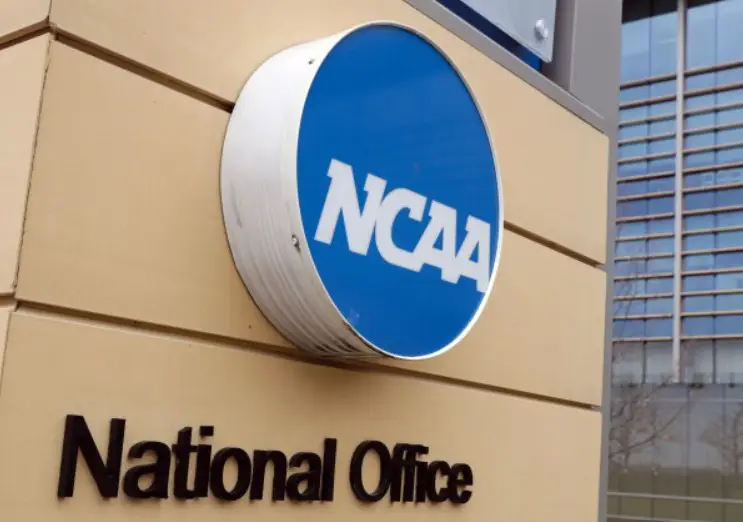
(AsiaGameHub) - Texas Tech quarterback Brendan Sorsby is seeking to have his college eligibility reinstated after the NCAA imposed a permanent ban on him due to violations of gambling rules. A hearing concerning his request for an injunction is scheduled for Monday in Lubbock County District Court. Key Details Sorsby received a ban from the NCAA following an inquiry into his sports betting activities. Court documents indicate he placed thousands of bets totaling at least $90,000. Sorsby has successfully completed a 35-day program for gambling addiction. Brendan Sorsby's NCAA Gambling Case Details Sorsby does not dispute the fact that he placed bets. Instead, his legal counsel contends that the NCAA should consider the case from a mental health perspective, citing diagnoses of gambling disorder and anxiety disorder. Sorsby is currently undergoing treatment for these conditions. According to court documents reviewed by ESPN, Sorsby utilized the names of friends and family members to place bets at various sportsbooks during his collegiate career. The filings state that these bets amounted to at least $90,000. The documents also reveal that Sorsby placed at least 40 bets on the Indiana team while he was redshirting for the Hoosiers. However, his lawyers deny that he bet on any games in which he participated for Indiana.Sorsby issued the following statement: “Once I became part of the active roster with an opportunity to play, I immediately stopped betting on Indiana. However, my gambling on other sports did not stop; it escalated and became compulsive. “What started small when I was in high school turned into a daily habit of betting on all kinds of sports, including some sports that I didn’t follow and had no interest in like tennis and Romanian soccer. Gambling became an addiction.” NCAA's Response Ahead of Lubbock Hearing On Friday, the NCAA submitted a motion requesting the court to dismiss the injunction. The association argued that reinstating Sorsby's eligibility could lead to "destabilizing ramifications."Sorsby's legal team holds a different view of the case. Attorney Scott Tompsett stated that the NCAA should focus on the actions involved and the underlying medical condition. “Brendan asks only for the NCAA to abide by its commitment to evaluate his reinstatement appeal based on his actual conduct and the mental health condition that spurred it,” Sorsby's attorney Scott Tompsett wrote. This case emerges at a time when college sports are experiencing an increase in betting-related issues involving athletes, teams, and integrity rules. The NCAA has encouraged state regulators to place restrictions on certain college sports betting markets, particularly those involving individual college athletes. A new judge will preside over the proceedings on Monday, following the recusal of Judge Philip Hayes, who holds undergraduate and law degrees from Texas Tech. This article is provided by a third-party. AsiaGameHub (https://asiagamehub.com/) makes no warranties regarding its content. AsiaGameHub delivers targeted distribution for iGaming, Casino, and eSports, connecting 3,000+ premium Asian media outlets and 80,000+ specialized influencers across ASEAN.
More

Police Raid Houston’s Lucky J Social Club Amidst Illegal Gambling Allegations iGame

Police Raid Houston’s Lucky J Social Club Amidst Illegal Gambling Allegations

(AsiaGameHub) - Following accusations of unlawful gambling at the poker establishment, Houston law enforcement conducted a raid on Lucky J Social Club Wednesday evening. Authorities apprehended a minimum of three individuals and confiscated over $350,000 in currency and gaming devices. Key Details Authorities stated that three males are confronting misdemeanor counts related to facilitating gambling. Approximately 80 to 90 individuals were present at Lucky J Social Club when the raid occurred. Officials might file additional charges as the inquiry proceeds. Houston Raid Targets Lucky J Social Club The police operation at Lucky J Social Club utilized SWAT team members and drones. Footage captured at the location displayed numerous patrons holding their hands up as officers navigated the premises. The three apprehended males are facing misdemeanor charges for promoting gambling. Nevertheless, officials have not excluded further legal action, and local news sources provided varying arrest numbers, with some reporting up to five individuals detained. Michael Wynne, a former federal prosecutor who has defended Texas poker clubs, informed local press that the case might expand.“My current assessment of this unfolding situation is that there could be further charges, including money laundering, or a federal probe,” Wynne stated. “We will observe what unfolds in the next few days. Additionally, I would not be shocked if we witness additional raids.” Allegations of Casino Games at Lucky J Social Club Texas poker establishments typically function via membership structures where patrons pay fees instead of a traditional rake. This arrangement has allowed many venues to remain operational for years, despite casino gambling being prohibited in Texas. Reports indicate that local grievances regarding Lucky J had accumulated over several months. These complaints likely centered on casino-style games like blackjack or baccarat, as poker clubs already operate openly under the social club framework. Prior to the raid, Houston police dispatched undercover detectives to the venue to monitor activities. According to PokerNews, officers positioned themselves in the waiting area while drones conducted surveillance inside the property.Johnny Chan and the Venue's History The venue holds a longstanding link to the Houston poker landscape. Johnny Chan, a 10-time World Series of Poker bracelet champion, was the former owner of the site during its operation as 88 Social. Chan divested the property in 2021. Subsequently, the club underwent multiple name changes, initially to 101 Richmond in December 2021, then Elite Social Club, and finally Lucky J Social Club under its present ownership. The site had already attracted scrutiny prior to the raid. In 2025, 20 patrons were robbed as they exited the club. Another Houston establishment, the now-defunct Legends Poker Room, also experienced shootings and robberies that same year before shutting down. Increased Enforcement for Texas Poker Clubs The raid on Lucky J occurred just months after the Texas Alcoholic Beverage Commission targeted The Lodge Poker Club in Round Rock this past March regarding money laundering accusations. That case resulted in frozen assets and staff reductions at the venue. Eventually, a grand jury chose not to indict, and The Lodge resumed operations earlier this week. Nonetheless, the Houston raid demonstrates that Texas poker rooms continue to occupy a precarious legal standing. While clubs may function via memberships, law enforcement retains the power to act if investigators suspect illegal casino gambling or associated financial crimes occurred. This article is provided by a third-party. AsiaGameHub (https://asiagamehub.com/) makes no warranties regarding its content. AsiaGameHub delivers targeted distribution for iGaming, Casino, and eSports, connecting 3,000+ premium Asian media outlets and 80,000+ specialized influencers across ASEAN.
More

Finland Considers Selling Veikkaus Before Online Gambling Licenses Launch iGame

Finland Considers Selling Veikkaus Before Online Gambling Licenses Launch

(AsiaGameHub) - Finland is set to end Veikkaus’ monopoly over online casino and sports betting services on July 1, 2027. This licensing reform has turned state ownership of the firm into a pressing political and commercial issue. Key Things to Note Per Jari Vähänen’s estimates, Veikkaus could carry a total valuation of up to €4.5 billion. The company’s online casino and sports betting division may be valued between €1 billion and €1.5 billion. Finnish political parties remain divided on whether to pursue a full sale, partial sale, or continued full state ownership of the firm. Customer Base Could Be the Core Determinant of Actual Value Potential buyers will not only assess the Veikkaus brand when evaluating a purchase. The company’s customer database may hold equal weight in valuation calculations. Veikkaus has as many as 2.5 million long-standing existing customers. As the country shifts from a monopoly-controlled system to a licensed Finnish online gambling market, this customer list could give the operator a significant head start over private betting sites and online casino brands. “If they cannot retain these customers through the transition, the value of Veikkaus’ licensed business will be far lower. But if they launch their new operations with 2.5 million customers intact, they will dominate the market,” Jari Vähänen told public broadcaster Yle last week.Vähänen, a former senior executive at Veikkaus who now works as an industry consultant, also noted that foreign operators have made inquiries about the company. “Several gaming firms have reached out to us to ask if Veikkaus might be put up for sale,” he told Yle. His maximum valuation estimate for the firm hits €4.5 billion. This figure is calculated using a 10-times multiple on Veikkaus’ annual gaming surplus, which stands at roughly €450 million. He valued the digital gambling segment, which covers online casino and sports betting services, at €1 billion to €1.5 billion. Lotto and gaming machine operations are expected to make up around €3 billion of the total valuation. However, Finland does not have an unlimited window of time to make a decision. Veikkaus’ returns have dropped by nearly half over the past five years, and lengthy delays could reduce buyer interest ahead of the launch of the licensed market.Veikkaus has already split into two separate business units to prepare for the transition. One unit focuses on competing in the open online market, while the other retains control of the remaining monopoly operations. This restructuring gives Finland a more straightforward sale option, but it also makes related policy decisions more complex. Some parties already see little justification for the state to remain involved in the gambling sector. SDP Party Secretary Mikkel Näkkäläjärvi said “the state has no specific strategic interest in owning a gaming company in this scenario”. Mika Lintilä of the Centre Party stated that Veikkaus was “no longer a strategically important company for the state in the same way as it was previously”. Liike Nyt is pushing for full privatization and a public stock market listing for the firm. The Left Alliance opposes this approach, with MP Timo Furuholm defending Veikkaus as a reliable, proven source of government revenue. Coalition parties have adopted a more cautious, gradual stance. The National Coalition Party is calling for a civil service review of the proposal’s market effects and social impact. The Swedish People’s Party has not issued a public position, as Minister Joakim Strand oversees ownership steering matters. The Finns Party and Christian Democrats have warned against using sale proceeds to fund recurring public spending, while keeping gambling harm prevention as a top priority. For Vähänen, the ownership issue arises well before any potential sale takes place. Finland will be drafting regulations for the licensed gambling market while still owning the company that will have to compete under those same rules. “State ownership of a gambling company operating in a competitive market is, at the very least, a questionable approach,” he wrote in a 2024 draft response to the initial liberalization framework. This article is provided by a third-party. AsiaGameHub (https://asiagamehub.com/) makes no warranties regarding its content. AsiaGameHub delivers targeted distribution for iGaming, Casino, and eSports, connecting 3,000+ premium Asian media outlets and 80,000+ specialized influencers across ASEAN.
More
DigiPlus Urges Public Listings for Philippines Online Gaming Operators iGame

DigiPlus Urges Public Listings for Philippines Online Gaming Operators

(AsiaGameHub) - Eusebio Tanco, chairman of DigiPlus Interactive Corp, believes licensed online gaming operators in the Philippines should adhere to the same standards as publicly listed companies. Key Facts DigiPlus operates BingoPlus, ArenaPlus, and GameZone in the Philippines. Tanco stated public listings would foster fairer competition. He also connected the idea to efforts against illegal online gambling. Tanco: Listed Status Can Raise Industry Standards Eusebio Tanco used DigiPlus’s annual stockholders meeting on Friday to deliver a direct message on regulation: licensed online gaming firms should face the same transparency, tax, and governance rules as listed companies. “We need to level the playing field in this industry,” Mr Tanco stated. “We are a listed company, we are transparent and report regularly. We follow strong corporate governance, and we pay the right taxes.” DigiPlus is already a Philippines-listed company. Its main brands include BingoPlus, ArenaPlus, and GameZone. BingoPlus is recognized as the country’s first government-approved online bingo platform, ArenaPlus covers sports betting, and GameZone focuses on casual and arcade games. Another group unit operates casino slot arcades. Tanco argued private online gaming operators do not always face the same public reporting pressure as listed firms. In his view, a listing rule would give regulators, investors, and players a clearer view of licensed operators. He said: “The regulator should require all licensed online operators [in the Philippines] to be listed. I think that’s the only way to level the playing field.” The proposal also ties to a broader policy concern in the Philippine online gaming market. PAGCOR and other authorities have been working to keep more gambling activity within the licensed system, where operators pay taxes and follow national rules. For Tanco, stronger listed-company standards could support that goal. He said authorities should focus on ways “to help transfer the players from illegal operators to the legal, licensed operators.” This article is provided by a third-party. AsiaGameHub (https://asiagamehub.com/) makes no warranties regarding its content. AsiaGameHub delivers targeted distribution for iGaming, Casino, and eSports, connecting 3,000+ premium Asian media outlets and 80,000+ specialized influencers across ASEAN.
More
Brian Schatz Proposes Federal Bill to Ban Micro Prop Bets iGame

Brian Schatz Proposes Federal Bill to Ban Micro Prop Bets

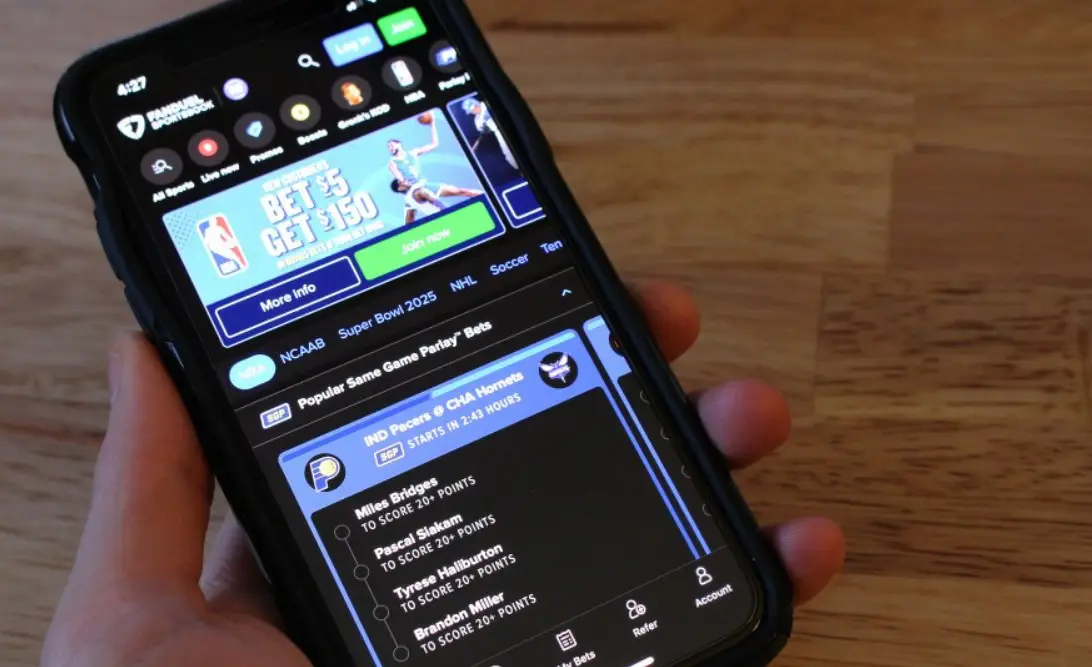
(AsiaGameHub) - U.S. Senator Brian Schatz is drafting a federal bill that would prohibit micro prop bets and grant the Federal Trade Commission authority to take action against firms assisting illegal offshore sportsbooks. Good to Know The legislation would ban wagers on individual, standalone moments during games. The FTC could pursue payment processors collaborating with unlawful offshore sportsbooks. Schatz presented the plan at a Senate Commerce subcommittee hearing focused on sports betting. Schatz wants federal enforcement to target companies that help illegal sportsbooks transfer funds. The Hawaii senator noted the FTC could go after payment processors that knowingly work with offshore operators. This approach won’t fix every gambling issue, he said, but it would give regulators a clearer path into a market often outside U.S. licensing systems. “We think we, legislatively, have a pathway here. It doesn’t solve every problem, and it certainly doesn’t solve every problem as it relates to the challenges that individuals and society [are] facing with gambling,” said Schatz, a senior member of the Senate Commerce Committee.“But if you empower the FTC to go after the payment processors, then they would have a perfect right to go and say, ‘You may not work with these offshore shops if they are not complying with federal law having to do with micro prop bets.’” Micro prop betting would also face a direct ban under the proposal. These wagers focus on small in-game events—like a single pitch, possession, or player action—rather than final scores or broader game results. Schatz said this structure raises both integrity and gambling harm concerns. “Micro prop [bets are] insidious in that [they] can be manipulated by a player or anyone else,” said Schatz. “The more micro you get, the more insidious it is, from an integrity standpoint. But it also taps into the addictive, manic, algorithmically-driven problem that we’re dealing with. I think this particular problem is especially acute and needs to be dealt with immediately.”The hearing occurred as lawmakers reviewed sports betting growth, prediction markets, offshore sportsbooks, and consumer risks. Recent NBA and MLB betting cases have also raised concerns about wagers tied to single-player actions and nonpublic information. This article is provided by a third-party. AsiaGameHub (https://asiagamehub.com/) makes no warranties regarding its content. AsiaGameHub delivers targeted distribution for iGaming, Casino, and eSports, connecting 3,000+ premium Asian media outlets and 80,000+ specialized influencers across ASEAN.
More
Athlete Harassment Betting Bill Now on Gov. Landry’s Desk for Signature iGame

Athlete Harassment Betting Bill Now on Gov. Landry’s Desk for Signature

(AsiaGameHub) - Louisiana is on the verge of equipping gaming regulators with a new tool to combat sports betting-related harassment targeting athletes, coaches, and other game participants. Good to Know SB 325 is currently pending action by Governor Jeff Landry. The legislation received unanimous approval in both of Louisiana’s legislative chambers. Bettors placed on the exclusion list may have their access to retail sportsbooks and mobile betting revoked. Threats Against Athletes Could Soon Result in Betting Penalties Louisiana bettors who make threats against athletes regarding their wagers might soon encounter consequences beyond just having their accounts shut down. Senate Bill 325 would allow the Louisiana Gaming Control Board (LGCB) to bar individuals from retail sportsbooks and mobile sports betting platforms if they issue threats of violence or harm linked to sports gambling. The legislation applies to threats made prior to, during, or following a sporting event. The bill has already passed the Legislature and moved to its final phase after House Speaker Representative Phillip DeVillier signed it on Monday. Governor Jeff Landry has the option to sign or veto the bill; if he takes no action, it will automatically become law.SB 325 also grants the LGCB authority to take action against individuals who “pose a threat to the state’s interests.” Anyone added to the exclusion list is entitled to receive notification and can ask for a hearing. Penalties aren’t limited to the bettor alone. An individual who enters a gambling establishment without LGCB approval after being excluded could face a jail term of up to six months or a fine of up to $500. Sportsbooks and gambling operators may also face the risk of having their licenses or permits suspended or revoked if regulators discover a “pattern of intentional failure to exclude” banned individuals. The bill’s timing aligns with a broader national concern in the U.S. about gambling-related abuse directed at athletes. Data from the NCAA and Signify revealed approximately 54,096 suspicious social media posts during last year’s March Madness. Among these, 3,161 were abusive, 103 prompted investigations, and 10 were referred to law enforcement. Gaming operators have already begun taking action. In 2025, FanDuel banned an account holder who had heckled Olympic gold medalist Gabby Thomas. Earlier in 2026, BetMGM also implemented a policy to suspend accounts that send abusive messages or language to athletes.For Louisiana, SB 325 would formalize this same concept into a state gaming regulation. Rather than leaving each case to the discretion of operators, the LGCB would gain direct authority to keep abusive bettors away from sportsbooks and betting applications. This article is provided by a third-party. AsiaGameHub (https://asiagamehub.com/) makes no warranties regarding its content. AsiaGameHub delivers targeted distribution for iGaming, Casino, and eSports, connecting 3,000+ premium Asian media outlets and 80,000+ specialized influencers across ASEAN.
More
bet365 Starts Online Sports Betting in France iGame

bet365 Starts Online Sports Betting in France

(AsiaGameHub) - bet365 has rolled out online sports betting services in France following the acquisition of a license from the Autorité Nationale des Jeux (ANJ). Users can now access the platform via bet365.fr and the brand’s mobile applications. Good to Know bet365’s French offering kicks off with online sports betting. Online poker and horse racing betting are scheduled for subsequent phases. The launch precedes key events including Roland-Garros, the UEFA Champions League Final, the 2026 FIFA World Cup, and the Tour de France. Sportsbook Launches First in France France provides bet365 with a new regulated market amid a bustling sports period. The operator has launched its sportsbook, while online poker and horse racing betting will follow at a later date. The timing is ideal for boosting brand visibility. bet365 enters the market ahead of multiple high-profile events and already has a connection to European football as an Official Global Partner of the UEFA Champions League. The French platform features Bet Builder across 16 sports, allowing users to combine selections from the same match—such as winner, total goals, and named goalscorer markets. Cash Out is also available, enabling customers to settle part or all of their bet before the match concludes.The Sub On Play On feature keeps players’ bets active after substitutions. bet365 noted that both Sub On Play On and Bet Builder apply during extra time in knockout games as well. Bet Tracker and Match Live provide live stats, wager updates, and event details. Alex Sefton, bet365 Global Chief Marketing Officer, said: “bet365’s expansion strategy has always centered on merging the scale, technology, innovation, and expertise of a global brand with an understanding and respect for local customs and culture. “Our entry into France will be no different. We’re thrilled to create a product and experience tailored specifically for French players, within a framework fully compliant with the French National Gaming Authority’s requirements.”Responsible gambling is integrated into the local setup. Alongside ANJ-mandated tools, bet365 offers gambling controls, self-exclusion, voluntary bans, and its Early Risk Detection System, which monitors activity for signs of potential harm. The company has also partnered with ARPEJ (Association de Recherche et de Prévention des Excès du Jeu) to support players showing signs of problem gambling. Founded in 2000 in the United Kingdom, bet365 now serves over 120 million customers across regulated markets in Europe, North America, South America, and Oceania. This article is provided by a third-party. AsiaGameHub (https://asiagamehub.com/) makes no warranties regarding its content. AsiaGameHub delivers targeted distribution for iGaming, Casino, and eSports, connecting 3,000+ premium Asian media outlets and 80,000+ specialized influencers across ASEAN.
More

CFTC Seeks To Undo $5 Million Gemini Penalty iGame

CFTC Seeks To Undo $5 Million Gemini Penalty

(AsiaGameHub) - The CFTC now asserts that its prior case against Gemini Trust Company should never have been initiated, granting the Winklevoss-founded crypto exchange an unusual opportunity to reverse a previously settled enforcement matter. Good to Know The CFTC and Gemini have filed a joint request asking a judge to nullify the January 2025 settlement. Gemini paid a $5 million penalty related to claims of misleading bitcoin futures statements. The filing states Gemini was a fraud victim, not the entity regulators ought to have targeted. A 2025 penalty imposed on Gemini could soon be removed from the record now that the CFTC has revised its stance on the case. On Wednesday, the agency and Gemini submitted a joint petition to a federal judge seeking to reverse a settlement struck late in the Biden administration. As part of that agreement, Gemini paid $5 million and accepted an injunction barring false or misleading statements to the regulator. The new filing states CFTC staff “resorted to inappropriate tactics” to initiate the lawsuit and “extract a settlement from Gemini.” It also notes the case relied on a whistleblower account that lacked credibility.Instead, the CFTC and Gemini now contend the exchange was harmed by fraud involving a former Chief Operating Officer and two customers who allegedly received unauthorized rebates. The filing asserts regulators pursued claims about bitcoin futures disclosures instead of investigating fraud against Gemini. The original lawsuit stemmed from statements Gemini made during the certification process for a bitcoin futures product. In January 2025, the CFTC alleged Gemini had made false or misleading statements or omissions tied to market integrity and manipulation risks. Gemini settled without admitting or denying the findings. The dispute wasn’t confined to bitcoin futures alone. The new filing also reveals regulators warned Gemini that an ongoing enforcement case would block approval for its prediction market platform. Gemini subsequently obtained approval in December 2025 for Gemini Titan, its prediction market offering. The filing doesn’t clarify if Gemini will recover the $5 million it already paid. Reuters reported that Gemini has agreed not to seek a refund of the penalty.Politics also play a role in this case. Gemini was founded by Tyler and Cameron Winklevoss, each of whom donated $1 million in bitcoin to President Donald Trump’s 2024 campaign. Former CFTC chair nominee Brian Quintenz later accused Tyler Winklevoss of lobbying the White House against his nomination due to the Gemini lawsuit. Trump withdrew that nomination and later selected Michael Selig to lead the regulator. The Winklevoss twins first gained widespread attention after suing Mark Zuckerberg over allegations related to the concept behind Facebook. That case concluded in a 2008 settlement involving cash and stock. This article is provided by a third-party. AsiaGameHub (https://asiagamehub.com/) makes no warranties regarding its content. AsiaGameHub delivers targeted distribution for iGaming, Casino, and eSports, connecting 3,000+ premium Asian media outlets and 80,000+ specialized influencers across ASEAN.
More
AGA Estimates Event Contracts Cost States Up to $1 Billion iGame

AGA Estimates Event Contracts Cost States Up to $1 Billion

(AsiaGameHub) - The American Gaming Association (AGA) asserts that sports prediction markets are currently causing significant tax-related issues for states, tribal entities, and licensed gambling operators. Good to Know The AGA puts the amount of lost state and tribal gaming tax revenue at as much as $1 billion. Bill Miller cited this number during an appearance on CNBC’s Squawk Box. A proposal from the Commodity Futures Trading Commission (CFTC) outlining rules for prediction markets is currently under review by the White House. CFTC Battle Evolves Into a Tax Controversy For months, prediction markets have maintained that sports event contracts fall under the purview of federal commodities law. Now, the AGA is urging state officials to consider the revenue implications of this issue. Bill Miller, the AGA’s President and CEO, stated that platforms providing contracts based on game outcomes might have already resulted in states and tribes losing up to $1 billion in gaming tax revenue. He characterized the disagreement as a matter of public funding rather than merely a conflict between sports betting operators and financial market companies. He said: “It’s about states and tribes that are losing literally a billion dollars today in state and tribal revenue that would otherwise go to fund important community projects.”Licensed sportsbooks and casinos pay gambling taxes, licensing fees, and compliance expenses in every state where they conduct business. Prediction market platforms contend that their offerings are federally regulated event contracts, hence they do not fall under the same state-level gambling regulations. This discrepancy has made Kalshi-style sports contracts a focus of scrutiny for the AGA, tribal gaming organizations, and state regulators. Their argument is straightforward: if a contract allows users to trade based on a game’s outcome, it is too similar to sports betting to be exempt from gaming rules. Timing is another key factor. A CFTC proposal that covers prediction market platforms—including Kalshi and Polymarket—is currently being reviewed by the White House Office of Management and Budget. Back in January, CFTC Chairman Michael Selig scrapped an earlier plan that would have prohibited sports and political contracts, noting that the agency would draft new rules in its place. The CFTC has also asserted in court and public statements that it has jurisdiction over federally regulated prediction markets. Former President Donald Trump supported this position in a social media post, while also criticizing Minnesota Governor Tim Walz, Illinois Governor JB Pritzker, New York Attorney General Letitia James, and former New Jersey Governor Chris Christie. This article is provided by a third-party. AsiaGameHub (https://asiagamehub.com/) makes no warranties regarding its content. AsiaGameHub delivers targeted distribution for iGaming, Casino, and eSports, connecting 3,000+ premium Asian media outlets and 80,000+ specialized influencers across ASEAN.
More
Federal Prosecutors File Additional Bribery Charges Against Terry Rozier iGame

Federal Prosecutors File Additional Bribery Charges Against Terry Rozier

(AsiaGameHub) - Federal prosecutors have added new bribery charges against former Miami Heat guard Terry Rozier as an expanding NBA betting probe focused on player prop bets, private injury data, and claimed match manipulation continues to grow. Good to Know Rozier faces new charges in Brooklyn federal court connected to a March 2023 game played by the Charlotte Hornets. Prosecutors claim a $100,000 bribe was linked to under bets placed on Terry Rozier’s player props. Rozier maintains his innocence and remains out of custody on a $3 million bond. Terry Rozier is no longer signed to an NBA roster after the Miami Heat released him at the end of the most recent season, but his ongoing legal battle has just gotten larger in scope. A superseding indictment filed Thursday in Brooklyn federal court charges Rozier with accepting a bribe to leave a March 2023 game early while he was playing for the Charlotte Hornets. Prosecutors say bettors planned for this early exit to target unders on his points, assists, and other player prop betting markets. Rozier was not listed on the official injury report ahead of the match against the New Orleans Pelicans. He later left the game with a lower leg injury after finishing with five points, two assists, one 3-pointer, and four rebounds. Most of his stat totals fell below his typical production and below the lines set by sportsbooks, while his rebound total derailed part of the betting group’s plan.Because of that rebound outcome, prosecutors say the alleged bribe payment dropped from $100,000 to roughly $70,000. The betting ring still collected more than $250,000 in payouts from wagers tied to Rozier unders, according to the indictment. The case now includes allegations that Rozier defrauded the NBA, the Charlotte Hornets, and sportsbooks including FanDuel and DraftKings. The new charges add to earlier federal accusations of wire fraud and money laundering. Rozier entered a not guilty plea for those earlier charges after his arrest in October 2025. His defense attorney, Jim Trusty, told the Associated Press that the latest indictment “just confirms that our motion to dismiss was correct — new charges, new legal theories, but all just a misguided effort to make something stick.” Fairley's Guilty Plea Adds Pressure To The Betting Probe The new indictment was filed shortly after bettor and social media influencer Marves Fairley pleaded guilty to seven charges connected to illegal basketball betting schemes.Fairley told prosecutors he agreed to pay Rozier and long-time friend Deniro Laster $100,000 if Rozier left the Hornets game early. Laster allegedly collected the money in Philadelphia before traveling to Rozier’s home, where co-conspirators counted the payment. Trusty pushed back strongly against this claim. “There are some desperate men in this case with terrible criminal records and massive potential legal penalties, and they know exactly what to say to please prosecutors,” Trusty said of Fairley’s claim. Federal prosecutors have also linked parts of this scheme to people connected to the Jontay Porter betting scandal. Porter received a lifetime ban from the NBA in 2024 after a league investigation found he shared private health information and limited his own on-court participation for betting gains. Former NBA player and assistant coach Damon Jones also pleaded guilty in April. Prosecutors said Jones shared nonpublic injury information involving LeBron James and Anthony Davis and helped recruit players for a mob-run rigged poker game. His sentencing is scheduled for January. Rozier missed the entire season after being placed on administrative leave following his arrest. He remains free on a $3 million bond as the case moves forward. This article is provided by a third-party. AsiaGameHub (https://asiagamehub.com/) makes no warranties regarding its content. AsiaGameHub delivers targeted distribution for iGaming, Casino, and eSports, connecting 3,000+ premium Asian media outlets and 80,000+ specialized influencers across ASEAN.
More

2026 Offshore Gambling License Comparison: A Breakdown of Anjouan, Curaçao, Isle of Man and Malta iGame

2026 Offshore Gambling License Comparison: A Breakdown of Anjouan, Curaçao, Isle of Man and Malta

(AsiaGameHub) - Selecting the appropriate gambling license is among the most critical choices for an iGaming operator. An incorrect selection can lead to losses in time, finances, and frequently market entry—occasionally all simultaneously. The correct choice establishes the legal groundwork necessary to finalize software contracts, handle customer transactions, and conduct business assuredly in desired regions. The difficulty lies in the fact that no one license is perfect for all businesses. Malta represents the premier standard for European operations, yet its year-long application process and rigorous capital demands place it out of reach for many new ventures. Curaçao is widely recognized, but regulatory changes since 2023 have substantially increased its demands. Anjouan provides rapid processing and low cost, yet does not grant access to EU markets. The Isle of Man is ideal for well-established mid-to-large sized companies with a suitable corporate structure. This overview details each alternative with the practical details operators require: expenses, processing durations, limitations, and the business profile each license genuinely fits. Why the License You Choose Determines Your Business Outcomes Prior to evaluating choices, it is important to grasp what a gambling license practically governs. Most leading payment service providers demand evidence of proper regulatory standing. The specific jurisdiction is crucial—certain PSPs will not accept Curaçao-based operators but will engage with MGA license holders, and the opposite is also true. B2B iGaming providers usually mandate that their clients possess an accredited license. Most are willing to partner with operators licensed in Anjouan, Curaçao, or by the MGA. In strictly regulated markets such as the UK, Sweden, or Germany, players anticipate seeing a domestic license. In less regulated regions (Latin America, Africa, Southeast Asia), an offshore license is completely adequate from a player's viewpoint. Anjouan (Comoros) — Fast Entry, Offshore Positioning The Anjouan license, granted by the Anjouan Offshore Finance Authority (AOFA), has seen considerable uptake over the last three years, especially from operators focusing on markets outside Europe. It encompasses online casino, sports betting, poker, live dealer, and skill-based games. Total initial investment begins at approximately €17,828 for license fees, in addition to registered agent and company formation expenses. For a comprehensive analysis of Anjouan gambling license costs and prerequisites, the details vary based on your corporate setup and if you require application assistance. The processing time is 4–8 weeks with a full set of documents—the quickest legitimate licensing path for most operators. It is most appropriate for new and expanding businesses targeting Latin America, Africa, Asia-Pacific, and other regions where offshore licenses are permissible. Curaçao eGaming — The Established Offshore Standard Curaçao has been the leading offshore gambling license for more than twenty years. Subsequent to regulatory updates in 2023-2024, the framework has become notably more stringent. Operators must now submit applications directly to the Curaçao Gaming Control Board. Annual fees start from about €30,000, with total first-year investment usually surpassing €45,000–60,000. Timeline: 6–12 weeks. Malta Gaming Authority (MGA) — The EU-Facing Gold Standard The Malta Gaming Authority license is the reference point for operators seeking to reach EU-based players. The annual license fee scale runs from €10,000 to over €25,000. Timeline: The realistic timeframe is 6–18 months. Best suited for operators with a validated product, an experienced team, and adequate capital reserves, alongside a defined strategy for the EU market. Isle of Man — The Specialist Option The Isle of Man Gambling Supervision Commission grants licenses that are held in high esteem within the sector, particularly for intricate B2B and B2C activities. Costs are generally similar to or higher than those for an MGA license. Timeline: 6–12 months. Ideal for mature operators with global B2B aspirations. Side-by-Side Comparison Anjouan: Annual cost from €17,828 | Timeline 4–8 weeks | No EU market access | Moderate PSP acceptance | Best for startups Curaçao: Annual cost from €30,000 | Timeline 6–12 weeks | Limited EU access | High PSP acceptance | Best for growth stage Malta MGA: Annual cost from €25,000+ | Timeline 6–18 months | Full EU access | Very high PSP acceptance | Best for established operators Isle of Man: Annual cost from €35,000+ | Timeline 6–12 months | Limited EU access | High PSP acceptance | Best for established operators Which License Should You Choose? If you plan to launch within 3–6 months, have a budget below €50,000, and are focusing on non-EU markets: Anjouan is the sensible initial move. You can enter the market quickly, start earning revenue, and later seek a Curaçao or MGA license as your enterprise expands. If you have a 6–12 month preparation period and require wider PSP acceptance: Post-reform Curaçao opens considerably more opportunities than Anjouan. If you are developing a substantial operation targeting the EU with sufficient funding: The MGA should be your objective. For operators in the initial phases, obtaining expert advice on iGaming licensing is recommended to plan a staged strategy—beginning with an economical offshore license and progressing towards the jurisdiction demanded by your long-term market goals. Final Thoughts There is no single "best" gambling license for everyone. Only the license that is right for your present phase, financial plan, and target regions. The most frequent and expensive error operators commit is either spending too much on a license they do not currently require, or spending too little on a license that blocks future necessary opportunities. Comprehending your alternatives before making a decision is the most crucial step prior to initiating any application. This article is provided by a third-party. AsiaGameHub (https://asiagamehub.com/) makes no warranties regarding its content. AsiaGameHub delivers targeted distribution for iGaming, Casino, and eSports, connecting 3,000+ premium Asian media outlets and 80,000+ specialized influencers across ASEAN.
More
SBC Summit Canada reaffirms its role as the industry’s key meeting hub amid Alberta’s momentum iGame

SBC Summit Canada reaffirms its role as the industry’s key meeting hub amid Alberta’s momentum

(AsiaGameHub) - SBC Summit Canada recently concluded in Toronto, uniting the industry at a critical juncture for the Canadian gaming sector. The impending launch of Alberta’s regulated market spurred extensive discussions on regulation, responsible gambling, advertising reform, cybersecurity, and future market expansion. The event, held from May 19-21 at the Metro Toronto Convention Centre, marked the inaugural edition under the SBC Summit Canada name, following its rebrand from the Canadian Gaming Summit. Rasmus Sojmark, CEO & Founder of SBC, commented: “This year’s event clearly demonstrated Canada’s growing importance within the global gaming industry dialogue. The depth of discussions, the caliber of attendees, and the urgency surrounding topics like Alberta, regulation, and player protection highlighted a rapidly evolving market.” Over three days, the summit convened operators, suppliers, regulators, government representatives, affiliates, sportsbooks, responsible gambling organizations, payment providers, and technology companies. Many participants described it as the industry’s primary meeting point in Canada. The timing of this year’s summit placed Alberta firmly at the forefront of industry conversations, with **Dale Nally**, Alberta Minister of Service Alberta and Red Tape Reduction, delivering a keynote address titled “Launching Alberta’s Safe, Regulated iGaming Future.” Alberta’s forthcoming market remained a central theme throughout the summit. Representatives from Alberta iGaming Corporation (AiGC) and AGLC were present, and **Dan Keene**, CEO of AiGC, joined Martin Lycka for a live edition of The Safe Bet Show to discuss the province’s developing regulatory framework and its responsible approach to market entry. **Keene** stated that the event played a vital role in preparing industry stakeholders for launch discussions. “We are not here to expand the gaming market; we are here to channel the illegal market into the legal and regulated space,” he explained. He added: “If my schedule over the last two days is any indication, it has been excellent. It’s been back-to-back meetings and engagements, proving very fulfilling and rich with meaningful connections.” The conference agenda extensively covered the regulatory and operational challenges shaping the industry’s next growth phase. Panels explored advertising reform, AI, cybersecurity, compliance, player protection, payments, and evolving omnichannel strategies, alongside opportunities presented by the 2026 FIFA World Cup. **Tom Burdakin**, Marketing Vice President at **FanDuel**, remarked: “Everyone is genuinely excited about Alberta and the World Cup. I believe that a year from now, when we return to this summit, we will look back on those two moments as having somewhat transformed the industry.” Burdakin also highlighted the event's increasingly international profile, observing: “It’s remarkable how many individuals are traveling from the US and Europe to attend this event in Toronto.” While **64.6% of attendees were based in Canada**, the summit also attracted a significant international audience, reinforcing Canada’s growing importance in global gaming industry discussions. The exhibition floor showcased companies offering solutions in sportsbook technology, payments, compliance, marketing, AI, data, lottery, and casino, reflecting the broad scope of the Canadian gaming ecosystem and the industry’s increasing interconnectedness. **Tracy Parker**, SVP, Accreditation, Advisory & Insights at the **Responsible Gambling Council**, noted that the event demonstrated the Canadian industry’s increasingly collaborative nature. She observed: “The cross-sector collaboration is evident in the creative content and programs. There is a truly vibrant mix of land-based gaming, iGaming, charitable gaming, and lottery stakeholders present.” **Thomas Metzger**, CEO of **Lotto.com**, stated: “You truly get to establish your presence, share your story, and engage in productive dialogue with other CEOs about the industry’s future direction.” **Paul Pellizzari**, Vice President – Global Social Responsibility at **Hard Rock International**, commented: “It is the only event in Canada where you will find balanced representation from all types of industry participants.” With nearly **half of attendees holding senior decision-making positions**, the summit solidified its standing as a premier business and policy forum for the Canadian market. Executives, regulators, and industry leaders utilized the event to foster strategic conversations and forge new partnerships. **Amanda Brewer**, SVP Policy & Communications at the **Canadian Gaming Association**, said: “Considering the networking opportunities and the caliber of attendees, you definitely see a strong presence of C-suite, VIP, and higher-level individuals.” **Jeff Laniado**, Director of Sales at **Optimove**, emphasized the wide industry representation, adding: “Earlier today, I met with a C-level executive from a tier-one operator, indicating that individuals from operators of every size and every area of these companies seem to be represented.” **Mark Wrigley**, Head of Betting at **F1**, stated that the seniority of attendees was crucial to the event's value: “It’s essential that we engage with those high-level decision-makers because that’s ultimately where we want to foster dialogues, drive initiatives forward, and secure company-wide buy-in.” “SBC Summit Canada has become the central forum where the industry convenes to discuss future developments, and we are immensely proud to provide that platform,” **Sojmark** concluded. As Alberta’s market launch approaches and industry attention increasingly focuses on Canada’s evolving regulatory landscape, the discussions and partnerships formed in Toronto are expected to shape the sector’s next phase of growth well beyond the summit itself. **SBC Summit Canada is scheduled to return to Toronto from June 15–17, 2027. For sponsorship and exhibition inquiries, please contact** sales@sbcgaming.com**. This article is provided by a third-party. AsiaGameHub (https://asiagamehub.com/) makes no warranties regarding its content. AsiaGameHub delivers targeted distribution for iGaming, Casino, and eSports, connecting 3,000+ premium Asian media outlets and 80,000+ specialized influencers across ASEAN.
More
With the government’s crackdown, is illegal gambling leaving Cambodia? iGame

With the government’s crackdown, is illegal gambling leaving Cambodia?

(AsiaGameHub) - Growing concerns are escalating across Southeast Asia that illegal gambling rings are shifting their operations away from Cambodia amid the government’s crackdown on scam hubs. Thai media outlet The Nation reported that 106 Thai citizens were arrested in Laos on suspicion of involvement in call-centre scams and online gambling operations based in the country’s Bolikhamxay region. Earlier this month, authorities in Sri Lanka also announced that they arrested over 1,000 foreign nationals for cybercrime in 2026, marking a sharp increase compared to previous years. Sri Lankan officials shared that most of the arrested foreign nationals were from China, Vietnam and India, and attribute the rise in arrests to crackdowns on this activity in hotspots Cambodia and Myanmar, which pushed criminals to seek out new locations to base their operations. Cambodia has long faced repeated criticism for failing to act against scam centres tied to the country’s casinos, which are reported to have defrauded victims out of billions of dollars total. In response to mounting pressure, the Cambodian government passed its first dedicated cybercrime law aimed specifically at targeting those behind online scams. People convicted of participating in the targeted criminal operations will face between two and five years of prison time and fines of up to $125,000. For scams run by organized gangs or targeting multiple victims, maximum sentences can stretch up to 10 years. Per the Cambodian China Times, Cambodia’s Deputy Prime Minister and Minister of Interior Sar Sokha told Swiss Ambassador to Cambodia Pedro Zwhalen that the country’s crackdown has resulted in the arrest, deportation, or voluntary departure of over 300,000 foreign nationals linked to online fraud. 91 casinos were also shut down last month by the country’s gaming regulator after being accused of backing online fraud networks. The shutdown came days after China’s Foreign Minister, Wang YI, demanded stricter action on cross-border gambling, calling the issue a critical matter of public safety. While Cambodia’s crackdown actions have been widely welcomed, concerns will grow again if the illegal activity has simply shifted locations instead of being stamped out entirely. Laos authorities stated they launched their raid after receiving intelligence that criminal groups had brought equipment into the country to run call centres and online gambling websites. The Thai nationals have been repatriated to their home country, and officials note they will be screened to confirm whether they were victims of human trafficking, a defining feature of scam centres across the region. This article is provided by a third-party. AsiaGameHub (https://asiagamehub.com/) makes no warranties regarding its content. AsiaGameHub delivers targeted distribution for iGaming, Casino, and eSports, connecting 3,000+ premium Asian media outlets and 80,000+ specialized influencers across ASEAN.
More
Jdigital Endorses Spain’s Decision to Temporarily Block Prediction Markets from Licensing iGame

Jdigital Endorses Spain’s Decision to Temporarily Block Prediction Markets from Licensing

(AsiaGameHub) - Jdigital, the Spanish online gambling trade association, has announced that its members fully endorse the decision to 'temporarily halt' the licensing of prediction markets. Yesterday, the official gazette of the Dirección General de Ordenación del Juego (DGOJ), Spain's gambling authority, revealed that it had initiated disciplinary reviews against the prediction market platforms Polymarket and Kalshi. Spain's gambling regulator has granted Kalshi and Polymarket a three-month and four-month period, respectively, to apply for a Spanish online gambling license. Access to both platforms has been suspended pending the approval of this process. It remains unclear whether Kalshi and Polymarket will comply with the DGOJ's request, which outlined the regulator's need to ascertain the offerings of prediction markets and how they differ from the gambling mechanics covered by standard licenses. At the core of this issue is a question that regulators globally are increasingly grappling with: what precisely constitutes a prediction market? The DGOJ asserts that "when consumers wager money on uncertain future events—be it elections, sporting results, or economic developments—the activity falls squarely within the country's gambling framework." The fact that operators market these products as event contracts or trading instruments does not change their legal classification under Spain's Gambling Act of 2011. Jdigital has welcomed the regulator's intervention, characterizing it as a crucial step in safeguarding both consumers and Spain's regulated gambling market. The association contended that platforms operating without licenses undermine a system where authorized operators are subject to extensive obligations, including identity verification, anti-money laundering controls, responsible gambling measures, and protections for minors and vulnerable individuals. "Players who access operators without a license are outside the scope of the policies and guarantees provided within the regulated market," the trade body stated. It further cautioned that consumers using unlicensed prediction market platforms lack access to the safeguards mandated for regulated operators, adding that "any citizen who accesses an unlicensed prediction market platform will not benefit from any of these guarantees." This dispute also highlights growing discontent within Europe's licensed gambling sector. Jdigital has consistently argued that regulated operators face escalating compliance costs, advertising restrictions, and consumer protection requirements, while offshore and unlicensed businesses can target customers with significantly less oversight. According to an EY report referenced by Jdigital, "one in four Spanish gamblers has used an unlicensed platform," a statistic used to support the argument that "Spanish authorities should intensify enforcement efforts against illegal operators." However, the broader struggle extends beyond Spain. Across Europe, regulators are intensifying their scrutiny of prediction market businesses, with France, Belgium, Germany, Portugal, Poland, and the Netherlands all taking action against operators attempting to offer event-based contracts without local authorization. Meanwhile, the British overseas territory of Gibraltar has already established a licensing framework for prediction market activities. Furthermore, last week, Malta indicated its intention to examine how prediction market platforms should be integrated into future regulatory structures. Domestically in the US, prediction markets are regulated by the Commodity Futures Trading Commission (CFTC) as derivative products rather than gambling services. The sector has also garnered significant political support. This week, US President Donald Trump described prediction market platforms as vital to the future of the American economy, adding further momentum to an industry that has attracted billions of dollars in investment. For European regulators, however, the primary concern remains consumer protection and market integrity, rather than financial innovation. Spain's decision, therefore, signifies more than a national enforcement action. It serves as the latest indication that European authorities are unwilling to permit prediction markets to operate outside established gambling frameworks. For the time being, another major European jurisdiction has closed its doors to Polymarket and Kalshi. However, the conflict is unlikely to conclude here. For these high-stakes ventures, the next logical step will almost certainly be to lobby Brussels and national governments to recognize event contracts as financial derivatives rather than gambling products. This legal distinction could ultimately determine whether prediction markets evolve into a mainstream financial product in Europe or remain excluded from the continent's regulated markets. This article is provided by a third-party. AsiaGameHub (https://asiagamehub.com/) makes no warranties regarding its content. AsiaGameHub delivers targeted distribution for iGaming, Casino, and eSports, connecting 3,000+ premium Asian media outlets and 80,000+ specialized influencers across ASEAN.
More
bet365 enhances Blueprint Gaming alliance via free spins offer iGame

bet365 enhances Blueprint Gaming alliance via free spins offer

(AsiaGameHub) - bet365 has enhanced its ongoing collaboration with Blueprint Gaming through a new free spins offer. New customers who meet the eligibility criteria for bet365 can now receive free spins on four of Blueprint's popular titles: Fishin’ Frenzy: Lure Em’ In, Fishin’ Frenzy: Big Catch Gold Spins, Triple Action Cash Strike, and King Kong Splash. According to bet365's website, players who register and deposit at least £10 will have the opportunity to select from three distinct options over a 20-day period, receiving either five, 10, 20, or 50 free spins on each occasion. Paul Cumbo, bet365 Head of Gaming for UK and Europe, stated: “Blueprint Gaming’s game selection continues to be very popular with our players, and we are pleased to feature some of its most well-known and successful games as part of this exciting new customer promotion. “This promotion highlights the strength of our long-standing relationship and our shared commitment to providing engaging entertainment experiences for players.” The ‘Fishin’ Frenzy’ series from Blueprint has consistently been a favourite among UK players, regularly appearing in bet365's monthly slot rankings. In April, Fishin’ Frenzy The Big Catch was the 5th most played game among bet365's players. Blueprint also reported that Fishin’ Frenzy: Lure Em’ In achieved a 'record-breaking opening weekend' following its release in April 2026. Blueprint described the new promotion as a testament to the 'enduring success' of their partnership with bet365, which commenced in 2023. Jo Purvis, Director of Marketing, PR and Events at Blueprint Gaming, added: “Our partnership with bet365 has grown stronger over several years, and this latest new customer offer is another excellent demonstration of our continued close collaboration. “Each of the chosen games has proven to be a top performer within our portfolio, whether due to high player retention, consistent revenue generation, or long-term brand recognition.” This article is provided by a third-party. AsiaGameHub (https://asiagamehub.com/) makes no warranties regarding its content. AsiaGameHub delivers targeted distribution for iGaming, Casino, and eSports, connecting 3,000+ premium Asian media outlets and 80,000+ specialized influencers across ASEAN.
More
Gambling Regulator Opposes Tax Reversal in Kenya iGame

Gambling Regulator Opposes Tax Reversal in Kenya

(AsiaGameHub) - There is growing pressure on the Kenyan government regarding proposals to introduce a 20% tax on winnings, which would overturn last year’s reduction of the rate to 5%. The gambling regulatory authority has appealed to the government to perform another about-face and discard these plans, arguing that they would be difficult to enforce and damaging to the sector. Less than a year ago, the withholding tax was lowered to 5%, with the tax applied upon a player's withdrawal from their betting account. Nevertheless, policymakers are currently aiming to restore the rate to 20% and apply it to winnings, excluding the player's initial stake. Additionally, such a swift reversal from the 5% rate would likely exacerbate tensions within the industry. This is further complicated by the fact that a 5% tax already applies to ‘all funds for gambling purposes’. The bill specifies: “Amount deposits means the total value of money or money’s worth paid, transferred or otherwise made available for betting or gambling purposes. Whether provided by a player or the operator, whether in cash or cash equivalents, whether or not such amount is held in an account operated by a player, operator or licensed person, or converted into chips, tokens, tickets, credits, or similar instruments.” A continuous struggle has persisted within the country, and the regulator's recent direct address to the National Assembly’s Committee on Finance and National Planning in Nairobi has only served to intensify this conflict. The regulator is also pushing back against the suggested definition of winnings, warning that it would create significant confusion in the market regarding how gambling is taxed. In particular, they stressed that the 20% withholding tax on winnings from prize competitions and short-term lotteries should be abandoned, as it is deemed unnecessary and unworkable for the market. Specifically, the authority raised the issue of how the tax would be collected if the prize awarded is a physical item, like a car or washing machine, rather than a cash sum. The organization also pointed out that tax revenue has actually grown under the 5% system, in contrast to the previous period when the withholding tax was 20%. The core reason for the call to pause is the need for tax simplification, as the current proposed framework is missing the clarity and nuance needed for such a complicated sector. This article is provided by a third-party. AsiaGameHub (https://asiagamehub.com/) makes no warranties regarding its content. AsiaGameHub delivers targeted distribution for iGaming, Casino, and eSports, connecting 3,000+ premium Asian media outlets and 80,000+ specialized influencers across ASEAN.
More

Is the lucrative Manchester United Betway deal indicative of a new norm following the sponsorship ban? iGame

Is the lucrative Manchester United Betway deal indicative of a new norm following the sponsorship ban?

(AsiaGameHub) - Manchester United appears poised to strengthen its links to the gambling industry, as a high-value deal with Betway propels the relationship between football and gambling into a new era. This week, reports have surfaced of a £20m trainingwear sponsorship agreement with Betway—likely the most landmark deal since the Premier League’s voluntary front-of-shirt sponsorship ban. While the Daily Mail noted this agreement would be among the most lucrative of its kind in global football, it replaces a similarly valued partnership with blockchain firm Tezos, which concluded in June 2025 and was reported to be worth £25m annually. Some had previously expected alternative sponsorship costs to rise due to the ban. However, this latest deal suggests market values will stay at previous levels, largely dependent on a club’s profile. Manchester United already has existing agreements with several betting companies, and this deal only deepens the club’s ties to the industry. Parimatch signed a multi-year partnership in August 2025 to become the club’s betting partner for the Asia and MENA regions. Meanwhile, the Hong Kong Jockey Club and Betfred are also listed as regional partners on Manchester United’s website. With the front-of-shirt ban leaving a reported £80m sponsorship gap, clubs are now exploring alternative ways to tap into the gambling industry’s substantial market spend. Fellow Premier League side Tottenham Hotspur has had BetMGM as its trainingwear sponsor for several years, while restrictions do not apply to other areas like shirt sleeves and sponsor hoardings. Though conventional wisdom holds the front-of-shirt sponsor is the most prominent, the age of social media means players are arguably seen more often in trainingwear than in their playing kits. Teams worldwide release hours of training ground content daily across social media. Meanwhile, Manchester United players warming up before and during games will undoubtedly display the Betway logo when captured by TV cameras. The scale of this deal is unique to a club of Manchester United’s size, which remains one of the most recognizable brands globally despite a torrid few seasons on the pitch. Social media content and training videos from Manchester United will be viewed millions of times, adding major value to the Betway deal. In comparison, Tottenham’s deal with BetMGM is rumored to be worth £10m. Meanwhile, Liverpool’s contract with AXA is also valued at over £20m annually—though this includes training ground naming rights as well as training kit branding. Lower-ranked, less high-profile clubs will not be able to command such fees. However, there is no doubt similar deals with the gambling industry are being considered to mitigate the ban’s impact and bring in much-needed revenue. On the prospect of sleeve sponsorship, Russel Yershon, Director at Connecting Brands, told Insider Sport: “The natural fit for betting operators will be to move their branding to the sleeve of Premier League clubs. This commercial asset is available for betting operators, and I would imagine up to half of the Premier League clubs will look to have a betting brand on their sleeve.” As a result, this move raises the question: Is the league’s ban simply a token gesture that shifts gambling brands to other areas like training wear, or will it have a real impact on the sector’s visibility throughout the Premier League? This article is provided by a third-party. AsiaGameHub (https://asiagamehub.com/) makes no warranties regarding its content. AsiaGameHub delivers targeted distribution for iGaming, Casino, and eSports, connecting 3,000+ premium Asian media outlets and 80,000+ specialized influencers across ASEAN.
More

RSI Applies for Prediction Market License iGame

RSI Applies for Prediction Market License

(AsiaGameHub) - Rush Street Interactive has submitted an application for a Designated Contract Market license, opening up a potential path for the parent company of BetRivers and PlaySugarHouse to enter the U.S. prediction markets space. Good to Know RSI submitted its DCM license application to the CFTC. Richard Schwartz played down the significance of prediction markets back in February. This application provides RSI with flexible options, rather than representing a confirmed launch roadmap. For months, Rush Street Interactive has kept prediction markets at arm's length. Now the firm has taken the first official regulatory step required to operate an event contract exchange within the United States. A DCM license would allow RSI to run a federally supervised prediction market. However, the application does not obligate the company to construct an exchange, acquire an existing one, or roll out a product. It may simply provide RSI with the flexibility to move forward at a later date should the regulatory landscape become more defined. RSI Falls Between Two Factions in the Gambling Industry This application puts RSI in an awkward position. DraftKings, FanDuel, and Fanatics have already expressed interest in prediction markets, in part because their business models are rooted in large-scale digital operations. MGM Resorts and Caesars have taken a more cautious approach, as their land-based casino licenses and existing relationships with state regulators expose them to additional risk.RSI falls right between these two groups. It was spun off as an independent digital business in 2020, though the Rush Street brand remains closely associated with Rush Street Gaming and the Rivers casino portfolio. This middle ground makes the application even more notable. Back in February, CEO Richard Schwartz told analysts that prediction markets were not a top priority and were not a core part of the company's sports betting offering. That said, he also noted that RSI was "continuously evaluating" the space and could leverage its existing technology for the segment if it made sense to do so. That potential pathway is now open to the company. Susquehanna analyst Joseph Stauff has posited that the application may be a move to keep options open, rather than a concrete decision to launch. This lines up with the low-commitment nature of a CFTC application, especially when compared to the costs of securing iGaming or sportsbook licenses on a state-by-state basis. Investors have not shown a strong reaction to the news. RSI's share price is down 3.5% week-over-week, but remains up 9.8% month-over-month. Over the last 12 months, the company's stock has more than doubled in value, while DraftKings' share price has dropped 29% over the same period.Regulatory risk remains a key concern. A number of state gambling regulators have warned operators that engaging in prediction market activity could put their casino licenses at risk. Nevada's regulators issued that exact warning in October, and the broader debate over sports event contracts remains unresolved. RSI now has a clear choice to make. It can hold onto the application as a safeguard, or it can follow its digital competitors into the prediction markets space. Either way, it appears BetRivers is no longer satisfied with observing the segment from the sidelines. This article is provided by a third-party. AsiaGameHub (https://asiagamehub.com/) makes no warranties regarding its content. AsiaGameHub delivers targeted distribution for iGaming, Casino, and eSports, connecting 3,000+ premium Asian media outlets and 80,000+ specialized influencers across ASEAN.
More
Caesars Agrees to $17.6B All-Cash Buyout by Fertitta Entertainment iGame

Caesars Agrees to $17.6B All-Cash Buyout by Fertitta Entertainment

(AsiaGameHub) - Caesars Entertainment has reached an agreement to be acquired by Fertitta Entertainment in an all-cash deal valued at $17.6 billion. The transaction encompasses $11.9 billion in debt, Caesars' casino properties, and its online and retail sportsbook operations. Good to Know Fertitta Entertainment will provide Caesars shareholders with $31 in cash for every outstanding share. The agreement encompasses 53 hotel-casino properties and the Caesars sportsbook operations. Caesars executives, including Tom Reeg, Bret Yunker, and Anthony Carano, are anticipated to remain in their positions. Tilman Fertitta has secured a deal for one of the most prominent casino groups in the United States. Fertitta Entertainment, which already has ties to Golden Nugget, the Houston Rockets, and multiple restaurant chains, will take Caesars private pending shareholder and regulatory approval. The $31-per-share offer represents a 49% premium over Caesars' unaffected share price from February 25. The Carano family, which holds approximately 5% of Caesars shares, will retain a portion of its investment in the new entity. Caesars Deal Brings Casinos And Sports Betting Under Fertitta Caesars provides Fertitta Entertainment with an extensive U.S. casino portfolio, a flagship Las Vegas Strip brand, and a nationwide digital gaming business. The company runs 53 hotel-casino properties, and Caesars Sportsbook provides mobile betting in over 20 U.S. states.The digital assets also offer Fertitta scale beyond physical locations. Caesars' online sportsbook and iGaming offerings will be combined with the Golden Nugget digital platform, granting the acquirer a more substantial online presence in the U.S. sports betting and online casino sectors. Caesars stated that its existing leadership team will continue following the deal's closure. CEO Tom Reeg, CFO Bret Yunker, President and COO Anthony Carano, and other top executives are expected to retain their roles. The companies had previously considered a combination. Discussions were reported in February, and a potential merger was also explored in 2018. Caesars presented the sale as a direct cash benefit for investors following a prolonged decline in its stock price. Caesars shares increased roughly 1.5% on Thursday morning after the agreement was announced, despite the stock losing nearly 70% of its value over the last five years.“The Board of Directors of Caesars Entertainment has approved the transaction and recommends that Caesars shareholders adopt and approve the merger agreement,” the company stated. “The Board, after detailed consideration with the assistance of its outside financial and legal advisors, determined that the immediate cash premium offered by this transaction is compelling for Caesars shareholders, and its approval of this transaction underscores its commitment to drive and deliver value for shareholders.” Upon completion, Caesars common stock will be delisted from the NASDAQ. The companies announced the combined network will feature 60 casino resorts within the Caesars Rewards program, offering guests more destinations within the expanded casino and hospitality group. “Together, Caesars and Fertitta Entertainment have a shared commitment to operational excellence, customer service, and disciplined growth, with employees and guests remaining at the heart of the business,” Caesars said in its release. This article is provided by a third-party. AsiaGameHub (https://asiagamehub.com/) makes no warranties regarding its content. AsiaGameHub delivers targeted distribution for iGaming, Casino, and eSports, connecting 3,000+ premium Asian media outlets and 80,000+ specialized influencers across ASEAN.
More
Illegal Gambling Ads on Meta Reached 37.9 Million Dutch Users iGame

Illegal Gambling Ads on Meta Reached 37.9 Million Dutch Users

(AsiaGameHub) - According to a new study by XY Legal Solutions B.V. and VNLOK, a significant volume of illicit online gambling advertisements were seen by Dutch users on Facebook and Instagram in March 2026. The analysis utilized data from the Meta Ad Library and concentrated on gambling-related search terms in the Dutch language. Good to Know In March 2026, researchers detected 15,114 unlawful gambling advertisements. These advertisements directed users to 1,292 distinct URLs and originated from 2,210 Facebook pages. Meta's estimated advertising earnings for the month were between €606,551 and €1.14 million. The investigation examined ads associated with terms like “gokkast,” “gratis spins,” “welkomstbonus,” and “Holland Casino.” Advertisements were deemed illegal if they promoted operators lacking a license from the Kansspelautoriteit. The reported audience reach for the March sample was 37.9 million Dutch users. Assuming an average of two views per user, the study's authors calculated approximately 75.8 million impressions during the month. Young Adults Became A Key Target While Dutch advertising regulations prohibit licensed operators from targeting individuals under 24, unlicensed operators seemed to focus precisely on that demographic. The report indicates that 65.4% of the illegal ads targeted users below the age of 24.Data from March showed 5.8 million impressions within the 18 to 24 age bracket. Projected over a year, this would amount to roughly 71 million impressions for that group. An independent study released earlier in May also concluded that Dutch gambling ads on social media, including those from licensed operators, had been viewed by users under 24. The KSA had previously highlighted the extent of the issue. In April, the regulator submitted over 4,600 reports to Meta concerning illegal gambling promotions on its platforms. The KSA's 2025 reporting further estimated that broader social media channels hosted about 50,000 illegal gambling ads monthly in the preceding year. Meta did take action to remove some content during the research period, with about 38.3% of the identified ads being disabled or deleted. Nonetheless, the report noted that new advertisements were being created more rapidly than existing ones were being taken down. To evade enforcement, operators employed brief advertising campaigns. The median campaign duration was three days, and 93% ran for fewer than 14 days. Some ads funneled users via app-store links before redirecting to unlicensed gambling websites. Others impersonated established Dutch brands or utilized fabricated testimonial accounts.The study also projected potential revenue for Meta from these ads. Applying public CPM benchmarks for the Netherlands, the estimated March revenue was €606,551 at an €8 CPM, €834,008 at an €11 CPM, and €1.14 million at a €15 CPM. Annually, this would translate to between €7.3 million and €13.6 million, though the report described these figures as indicative since Meta does not disclose internal revenue data for this advertising category. The research underscores an uneven playing field for licensed gambling operators in the Netherlands. Legal companies must adhere to stringent rules regarding broad advertising and younger viewers, while unlicensed operators persistently purchase audience reach on social media. This article is provided by a third-party. AsiaGameHub (https://asiagamehub.com/) makes no warranties regarding its content. AsiaGameHub delivers targeted distribution for iGaming, Casino, and eSports, connecting 3,000+ premium Asian media outlets and 80,000+ specialized influencers across ASEAN.
More